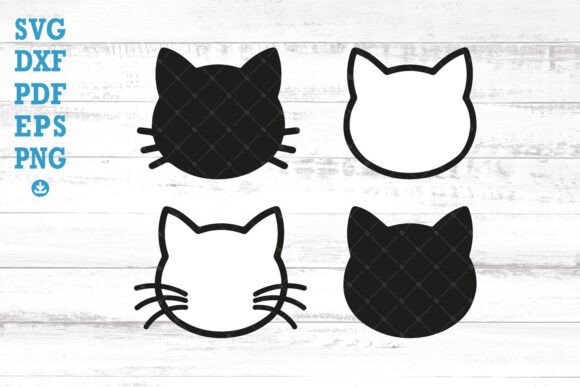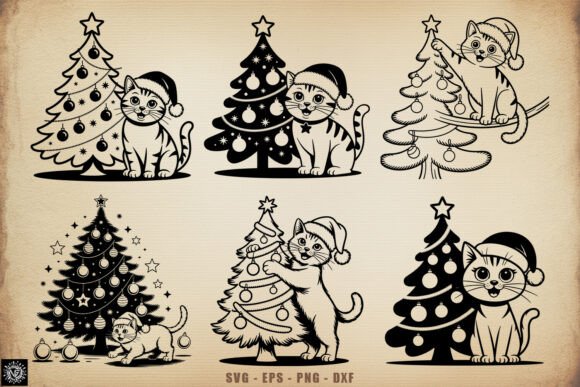
Santa Hat Fluffy Cat Head SVG: A Designer's Real-World Review
When I first opened the Santa Hat Fluffy Cat Head SVG file, my immediate reaction wasn't about the technical specs or the download speed. It was about the vibe. There is a specific kind of charm that comes from combining holiday cheer with feline cuteness, but not every digital asset captures that balance. As someone who has stitched thousands of designs for clients and craft fairs, I know that a pretty image on a screen can often fall flat once it hits the fabric. This review focuses on how this design actually performs in a real embroidery project, specifically when used for custom apparel, boutique merchandise, and personalized gifts.
The First Impression: Mood and Visual Personality
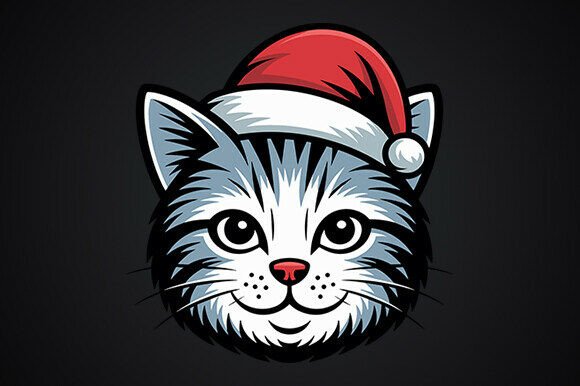
The Santa Hat Fluffy Cat Head SVG exudes a cozy, festive energy right out of the box. The layout is clean, focusing entirely on the character without unnecessary clutter. For an embroidery designer, the most critical element is how well the shapes translate from vector lines to physical stitches. In this case, the silhouette of the cat head paired with the distinct Santa hat creates a strong visual anchor. It feels like a design meant to bring a smile, making it perfect for holiday-themed collections.
The detail level strikes a good balance. It isn't so simple that it looks like a basic clip-art, yet it avoids the complexity that leads to thread breaks on smaller hoops. The "fluffy" aspect suggests texture, which is where the stitch density will play a crucial role. When you look at the file structure, the curves are smooth, which usually indicates that the satin stitches will lay down nicely without excessive pucker marks. This is exactly the kind of machine embroidery design that works well for handmade product lines because it appeals to a broad audience while retaining a professional finish.
Real-Life Application: From Screen to Stitch
Let's imagine a practical scenario. You are preparing inventory for the upcoming holiday season for your Etsy shop. You need a standout item that screams "gift" but doesn't require hours of tedious work. You decide to create a set of embroidered aprons for home cooks or perhaps a line of baby onesies. The Santa Hat Fluffy Cat Head SVG fits these applications perfectly.
On a cotton apron, the design would pop beautifully against a neutral background. The contrast between the red of the hat and the potential fur colors allows for creative thread colors selection. If you use a dark navy or black fabric, the white highlights on the cat's face will be crisp, creating a high-end look. However, if you are targeting the baby market, placing this design on a soft sweatshirt or a burp cloth makes sense. The rounded edges of the design prevent any sharp corners that might snag on delicate skin, adding to its safety and appeal as a personalized gift.
I also tested the concept mentally for a tote bag design. The central placement works well for canvas bags, offering a focal point that draws attention in a crowded craft fair booth. The design acts as a mini-branding asset; customers see the cute cat, associate it with quality, and trust the small shop product enough to buy. It elevates a standard tote into a boutique item simply by virtue of the stitching quality.
Navigating Technical Challenges
While the design is charming, no embroidery file is without its challenges. One area to watch closely is the stitch density. If the original file has too many stitches packed into the fluffy areas of the cat's cheeks, it could result in a stiff, cardboard-like feel. For custom apparel, especially items like hoodies or thick blankets, this stiffness might be acceptable. However, for baby embroidery or lightweight tea towels, you must ensure the density is reduced or that the stabilizer choice compensates for the weight.
Another consideration is the hoop size. If you plan to put this on a baseball cap, the curved surface might distort the roundness of the cat's head if the design isn't digitized with curve compensation. While the Santa Hat Fluffy Cat Head SVG is versatile, applying it to curved surfaces requires careful testing. Similarly, if you are working with stretchy fabrics like jersey knits, the tension settings need to be dialed in to prevent the hat from looking squashed after washing.
There is also the matter of color contrast. On dark fabrics, the lighter threads used for the cat's whiskers or facial features might get lost if the satin stitch coverage isn't sufficient. Always run a test swatch to verify that the details remain visible. This is particularly important for commercial embroidery projects where consistency across multiple batches is key to maintaining customer trust.
Strategic Use Cases for Makers and Sellers
This design is a powerhouse for holiday embroidery projects. It transitions seamlessly from a December decoration to a general winter accessory. Think about using it for pillow covers or kitchen towels to create a matching set for a client's home. The versatility allows you to offer different price points; a small patch for a jacket versus a large applique design for a blanket.
For the Etsy seller or digital product seller, the inclusion of various formats like EPS, SVG, PNG, and DXF is a significant advantage. These design assets allow you to create printable mockups quickly to visualize the final finished product before you even start stitching. You can show potential buyers exactly how the embroidered patch or sweatshirt embroidery will look, reducing hesitation and increasing sales conversion.
However, caution is advised when using this for applique design projects if the file does not include separate layers for the hat and the face. If the design relies solely on thread colors to define the shape, it may lack the dimensionality that applique provides. Always check the file structure to see if you can separate elements for a more textured look.
Practical Notes for the Embroidery Professional
Before you commit to a full production run, there are several steps every experienced designer takes. First, always test the Santa Hat Fluffy Cat Head SVG on scrap fabric that matches the texture and weight of your final material. This helps you identify any potential issues with fabric texture interaction, such as puckering or thread bunching.
Review the stitch density within your digitizing software. If the fill stitches are too dense, consider adjusting them to reduce bulk. Check the hoop size requirements to ensure the design fits your machine's capabilities. Inspect small details like the eyes or the pom-pom on the hat; these are the first things customers notice, and if they are blurry, the entire piece loses value.
Don't forget to test the design in black and white mockups. Sometimes, color hides a lack of definition in the stitch direction. Comparing light and dark fabric backgrounds will give you a clear idea of how the thread colors will perform in real-world lighting. Ensure you use the proper stabilizer to support the fabric, especially if you are working with thin fabric or stretchy fabric that might shift during the stitching process.
Finally, confirm the licensing terms. Are you allowed to sell finished items? Can you use this for commercial embroidery projects without additional fees? Understanding these legalities protects your craft business and ensures you can operate with confidence. By following these practical steps, you transform a simple digital file into a profitable, high-quality addition to your portfolio.