Christmas Santa Hat Cat: A Designer's Real-World Review
When I first opened the files for the Christmas Santa Hat Cat collection, my immediate reaction wasn't about the festive cheer, but about the practicality of the lines. As someone who has spent years turning digital graphics into tangible stitched goods for clients and craft fairs, I know that a pretty picture on a screen doesn't always translate to a clean stitch-out. This design sits right at the intersection of whimsical charm and commercial viability, making it a fascinating candidate for both personal gifts and small business merchandise.
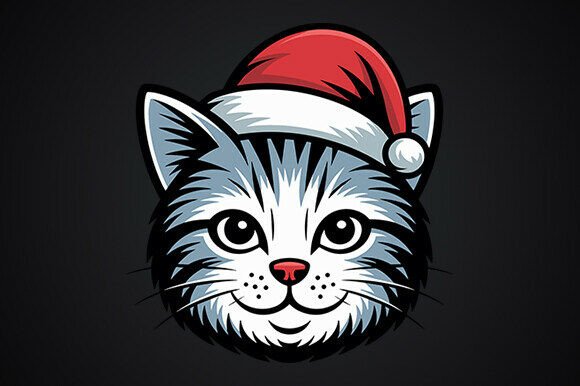
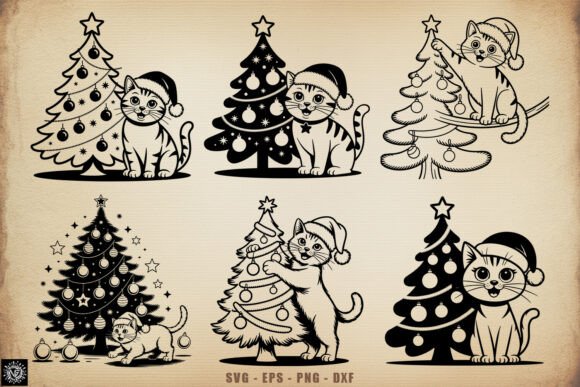
The visual personality of this piece is undeniably cozy. It captures that specific holiday mood where everything feels soft, warm, and inviting. For an embroidery designer, the layout suggests a natural fit for apparel and home decor. The concept of kittens in Santa hats isn't just cute; it taps into a massive market for holiday-themed handmade products. Whether you are an Etsy seller looking to boost your December revenue or a boutique owner stocking up for the season, this Christmas Santa Hat Cat design offers a strong hook for customer engagement.
From Screen to Hoop: Testing the Design in Production
Let's talk about a real scenario I recently encountered. A client approached me needing a custom embroidered sweatshirt for a family reunion gift. They wanted something unique but not overly complex. We looked at several options before settling on the Christmas Santa Hat Cat theme. The decision came down to how the design would handle the fabric texture and the stitching density.
In practice, this design works exceptionally well as a machine embroidery design on mid-weight cotton blends, which are common for sweatshirts and tote bags. The shapes are distinct enough to hold their form without requiring excessive digitizing work. When I tested the satin stitch on the cat's face and the fill stitch for the hat, the thread colors popped beautifully against a heather grey background. However, if you plan to use this on a dark fabric, you will need to be strategic with your thread selection. Lighter threads might get lost unless you add a high-density underlay, which can sometimes make the final product feel stiff.
The design also shines when applied to smaller items like baby clothes or nursery decor. The rounded edges of the cats and the soft curves of the Christmas trees create a gentle aesthetic that parents love. But here is where a designer must exercise caution: if you attempt to shrink this design down for a tiny applique patch or a very small hoop size, you risk losing the detail that makes the character recognizable. Embroidery thrives on negative space, and cramming too much detail into a small area often results in a muddy look after washing.
Navigating Fabric Challenges and Limitations
No design is perfect for every surface, and understanding the limitations of Christmas Santa Hat Cat is crucial for professional results. While the design is versatile, there are specific scenarios where it requires careful handling. For instance, using this file on stretchy fabrics like thin jersey or active wear can lead to puckering if you don't use the correct stabilizer. The density of the fill stitches can pull on lightweight materials, causing the garment to distort.
I also advise against placing this design on highly textured fabrics, such as heavy terry cloth or boucle wool, without extensive testing. The uneven surface can interfere with the needle path, leading to skipped stitches or inconsistent thread tension. Similarly, if you are working on curved surfaces like baseball caps, the flat nature of the original graphic might need slight adjustments to accommodate the curvature of the crown. A design that looks perfect on a flat pillow cover might look distorted on a structured cap if the digitizing doesn't account for the 3D shape.
Another critical factor is the frequency of washing. If you are creating a finished product intended for frequent laundering, such as kitchen towels or aprons, you need to ensure the stitch density is robust enough to withstand friction. Thin running stitches used for whiskers or fine details might fray over time. Always inspect the small details in your test run to confirm they will remain crisp after multiple wash cycles.
Maximizing Visual Appeal and Product Value
For small business owners and creative entrepreneurs, the value of a design extends beyond its aesthetics. It impacts brand consistency and customer trust. A well-executed Christmas Santa Hat Cat project signals professionalism. When a buyer receives a personalized gift or a boutique item where the stitching is even, the colors are vibrant, and the design is centered perfectly, they perceive higher value in the product.
This design is particularly effective for holiday embroidery projects because it balances tradition with modern cuteness. It fits seamlessly into categories like holiday gifts, wedding favors (for pet-loving couples), and seasonal decorations. The versatility allows it to be used as a standalone motif or integrated into larger compositions featuring Christmas trees or other festive elements. When creating printable mockups for your online store, ensure you showcase the design on various backgrounds to demonstrate its adaptability.
However, remember that the quality of the final product relies heavily on your execution. Using the right thread colors is essential to maintain the contrast and depth of the image. A monochromatic approach might look sleek, but full-color thread palettes bring out the playful spirit of the kittens. Before committing to a large production run, always compare light and dark fabric backgrounds to see how the design translates. This step ensures that your finished product meets the expectations of discerning buyers.
Essential Notes for the Practical Designer
If you are ready to incorporate this design into your workflow, here are some practical steps to ensure success. First and foremost, test the design on scrap fabric that matches the weight and type of your final material. This simple step can save you from ruined garments and wasted time. Check the stitch density carefully; if the design feels too dense, it may require digitizing adjustments to prevent the fabric from bunching.
Confirm your hoop size early in the process. If the design exceeds your machine's standard hoop capabilities, you may need to split the file or re-digitize it for multi-hoop applications. Also, review the file formats to ensure compatibility with your specific embroidery software. If the product description mentions it is part of a bundle, verify exactly what file types are included, such as .dst, .pes, or .exp, and whether they include applique designs or just standard embroidery files.
Don't forget to check the licensing terms before selling finished items. Some digital embroidery files are licensed for personal use only, while others allow commercial sales of the physical product. Clarifying these details protects your craft business from legal issues. Additionally, inspect small details like whiskers and eyes in black and white mockups to ensure they have sufficient definition. Sometimes color masks hide structural weaknesses in the digitizing that only become apparent in grayscale.
Ultimately, the Christmas Santa Hat Cat design is a strong asset for anyone in the crafts and graphics space looking to expand their holiday offerings. With thoughtful planning, proper stabilization, and attention to fabric texture, it can elevate your handmade products from simple novelties to cherished keepsakes. Whether you are decorating a tote bag, creating a custom apron, or launching a line of holiday accessories, this design provides a solid foundation for creativity and profit.
By approaching each project with a critical eye and a focus on technical precision, you can turn this festive graphic into a standout piece that resonates with customers. The key lies in respecting the medium of embroidery while embracing the charm of the subject matter. Happy stitching!